
Creative Responses
This section showcases creative works developed in response to the research, stories, and histories explored through African Lives in Northern England. Each project reflects a personal interpretation of the region’s anti-racist heritage, drawing connections between past struggles and contemporary activism
elisabeth efuA SUTHERLAND
Connections and entanglements
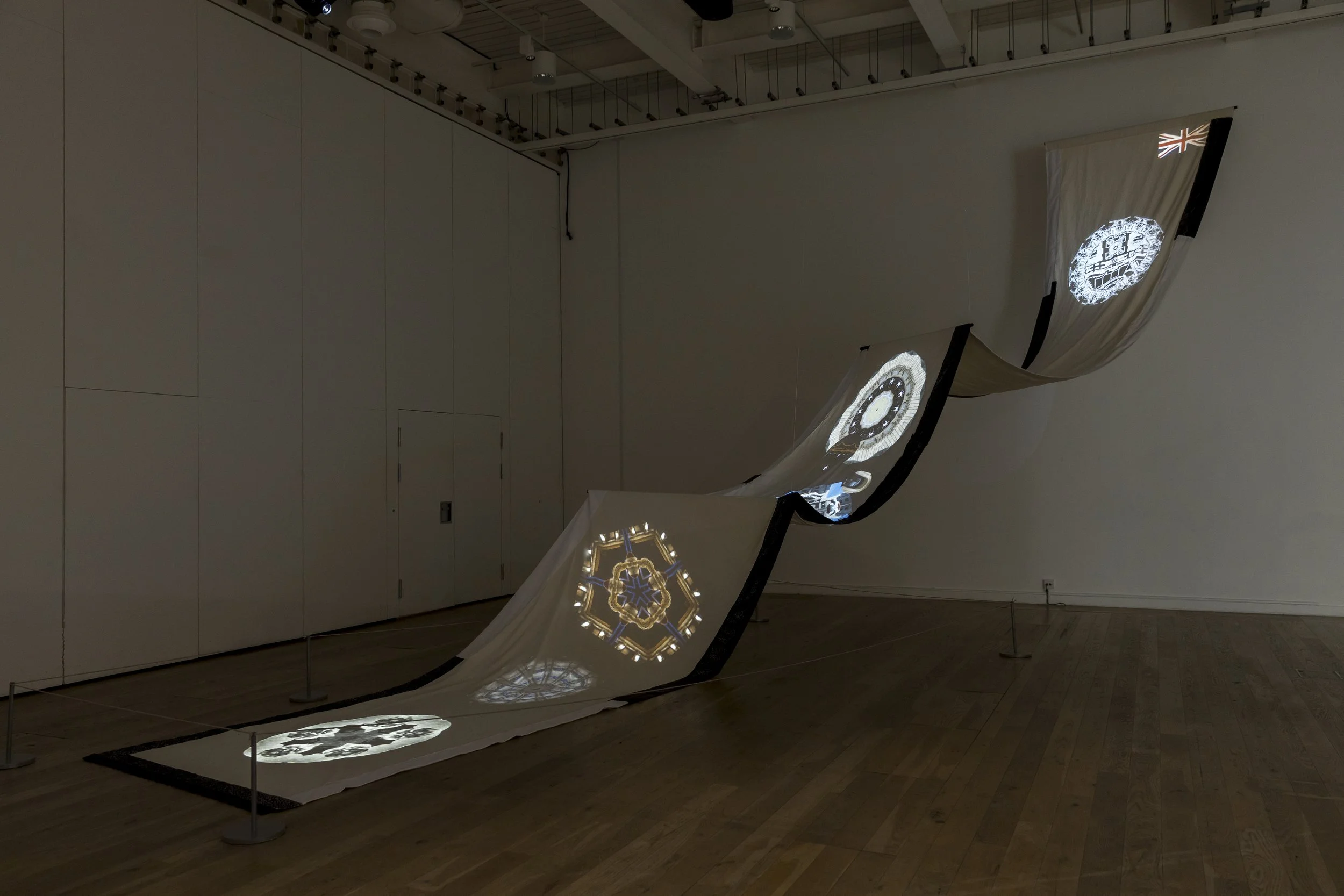
Elisabeth Efua Sutherland comes from a background in theatre and dance. She is concerned with layered colonial histories, following bodies through different geographies and spaces by diving into images, texts, maps, landscapes, and traces of feet and where they once trod.
Her research is driven by a desire to map stories, bodies and mythologies, and to examine the visibility (or lack of) and curation of black and African histories. She explores the power relationships of our past to our future; and the idea of custodianship of people, narratives, culture, history, and the future. Elisabeth is one of the artists taking part in Contested Desires: Constructive
Dialogues, a programme exploring the problematic legacy of European colonialism through artistic production and exchange. She is the founder of Terra Alta, an artist-led performing arts space in Accra, Ghana.
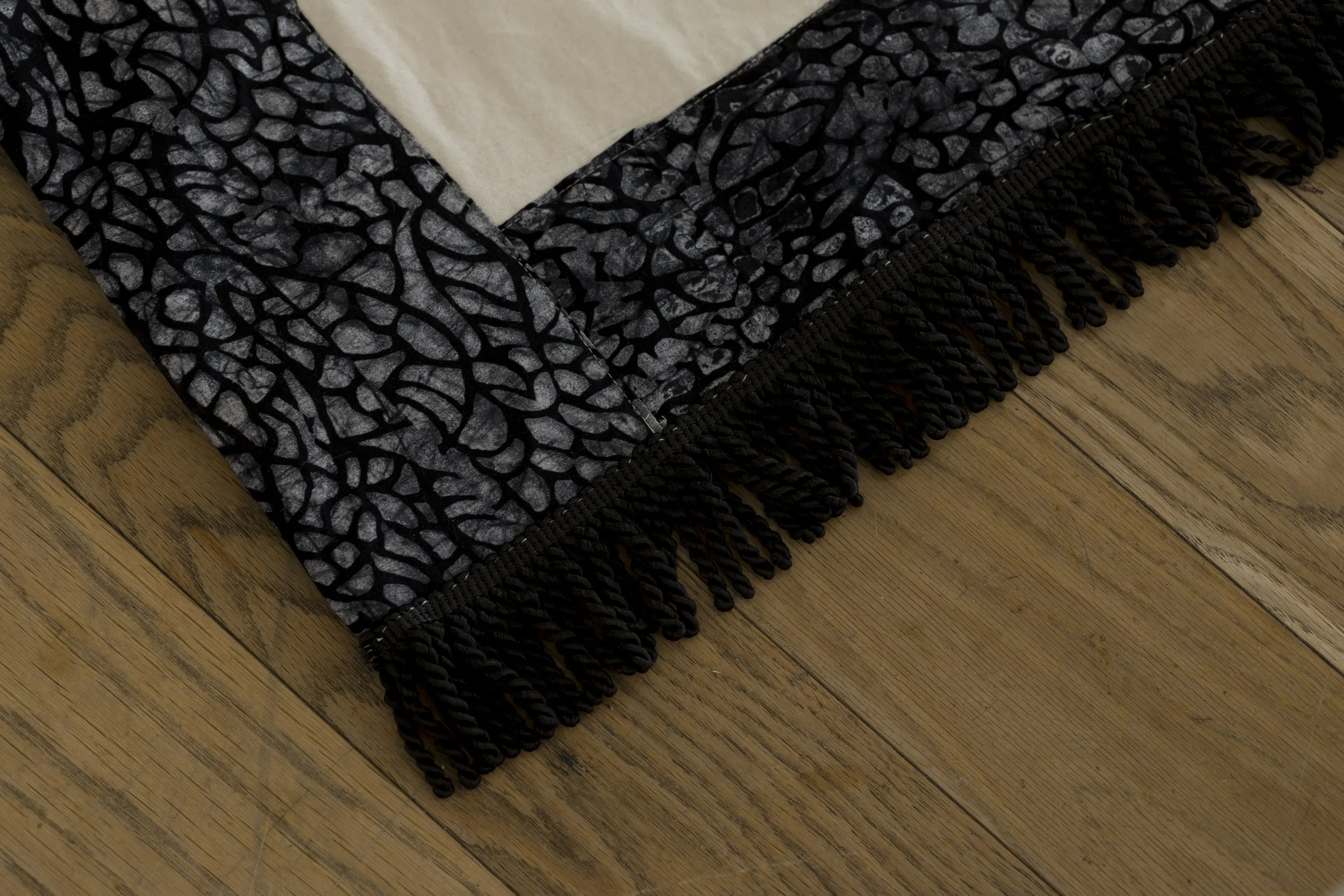
While in Newcastle, Elisabeth immersed herself in local history - mapping interconnecting stories of black and African people who visited the city or made it their home. Drawing on local archives, architecture, walking tours and sites of remembrance, she started to explore the possibilities of creating an embodied map of black experiences located in the city. And in doing so, explored the politics of visuality, and the legacies of extraction, materiality, wealth, displacement and coloniality.
In the process of research with collaborators and communities, and the presentation of work in progress, connection and community come into being - where stories and narratives are shared and told again, offering an alternative to those withheld, silenced and discarded by colonialism. This is further grounded by Elisabeth’s performance and body based work, which with the shared experience, gives a place for black lives of the past to be ever entangled, abundant and experienced in lived culture today.
The History of Our Diverse Communities
Primary School ZIne
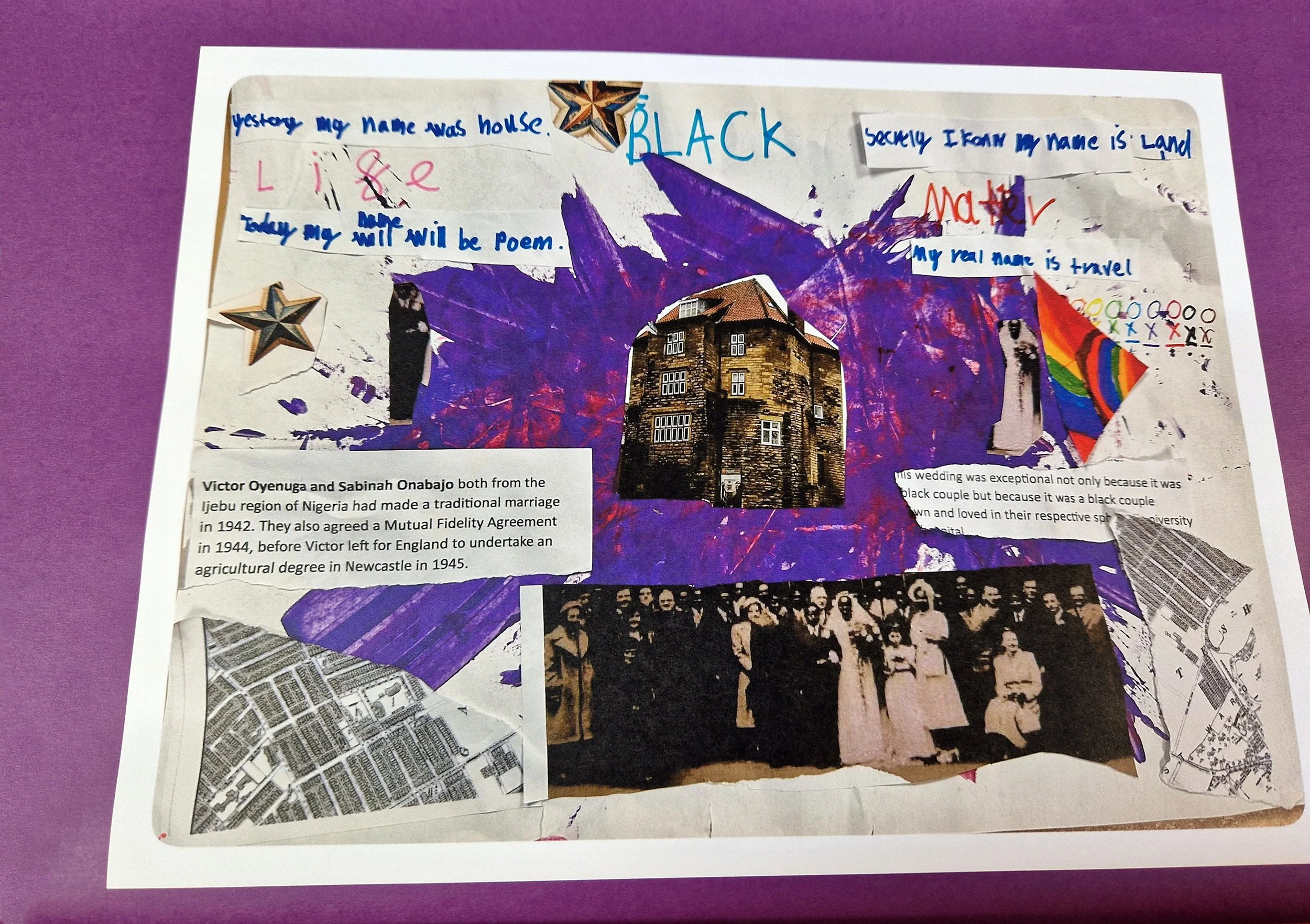
Funded by Historic England’s Heritage Schools Programme and commissioned by the Gateshead Arts Team, this project brought together Creatrix, Dr. Sheree Mack, and Year 5 pupils at Kelvin Grove Primary School.
With more than 20 nationalities represented in the school community — including many families from across Africa — students explored the stories of people of African and Caribbean heritage connected to the region. A heritage walk led by
Beverley Prevatt Goldstein introduced them to local histories and hidden narratives. The young artists then created a vibrant, colourful zine with Dr Sheree Mack, celebrating the diverse stories that shape their community, inspired by African Lives in Northern England research.
Don’t Calm Down
Youth Zine Project
Produced by students from Durham Sixth Form College, Don’t Calm Down emerged from an eight-week series of anti-racist workshops in 2022 led by members of African Lives in Northern England.
Using the African Lives in Northern England booklet as a starting point, students discussed heritage, identity, and justice before developing a collective creative response.
The resulting youth-led zine was launched at the Late Shows 2022, hosted at 36 Lime Street, Newcastle showcasing young people’s voices, reflections, and artistry.
theresa easton
Printmaker & Lecturer in Fine Art, Newcastle University
Theresa Easton is a printmaker with deep roots in community art. Her practice uses printmaking as a lens to explore social history, often highlighting the lives and legacies of figures who resisted racial injustice.
Honouring Ida B. Wells
Theresa created a small edition of prints celebrating journalist and activist Ida B. Wells, informed by ongoing research with African Lives in Northern England. Printed at Incline Press in Oldham,the two-colour work combines hand-carved lino and letterpress to capture Wells’ energy and courage.
This exploration continued when Theresa was invited by Dr Angie Butler (Senior Research Fellow, UWE’s Centre for Print Research) to contribute to a Women Artist-Printers Portfolio Project on the theme of Allyship.
Exhibited at the Woolwich Print Fair 2025, Theresa developed a letterpress zine that revisits Wells’ relationship with Frederick Douglass, using their 1892 correspondence — reprinted from Wells’ Southern Horrors, L ynch Law in All Its Phases — as a foundation for questioning what allyship means today.
printmaking and contemporary activism
Theresa’s work also spans screenprint, letterpress and relief print, including pieces created for a group exhibition in Mexico City organised by Erika Servin with TACO Art: “Greetings from the Toon.”
Inspired by African Lives in Northern England’s heritage walks — which surface historic racism, challenge assumptions, and draw parallels with racism today — Theresa explored connections between the past and present. Her screenprints reflect on modern movements, from the 2020 Black Lives Matter uprising to the voices of young Palestinian and Iranian women speaking out at demonstrations in Newcastle upon Tyne.
Through this work, she celebrates the historic and ongoing role of print as a transformational tool in abolitionist and anti-racist movements. Printed matter empowered activists of the past — and continues to empower communities today. Knowledge is power.
Trees & Peace: A Zine Rooted in Solidarity
Trees & Peace is a handmade zine created in response to a poem and photographic series by Fiona, a member of the Building Bridges group of sanctuary seekers.
Fiona’s work began with a simple observation in her own garden: a tree whose branching form echoed the shape of a heart. From this image she crafted a poem linking the structure of the tree to themes of connection and solidarity—a reminder that strength often grows through intertwined lives.
Drawing on Fiona’s poem, T rees & Peace extends this meditation on solidarity into a wider social landscape. The zine interlaces Fiona’s images with personal reflection, collage, and drawing, creating a layered visual narrative. It also revisits historical moments of collective struggle and hope, including Paul Robeson’s visits to the Northeast and his multilingual approach to building bridges across communities.
A dialogue with contemporary labour movements runs through the work as well. By engaging with University College Union strike activity and its challenge to dominant capitalist models, the zine frames solidarity not only as a feeling but as an activepractice. In doing so, Trees & Peace becomes more than a record of imagery and ideas—it functions as a small, hand-crafted pedagogy of hope.
Printed with a letterpress cover and assembled through tactile, analogue methods, the zine celebrates the slow, intentional work of making. Like the heart-shaped tree that inspired it, T rees & Peace invites readers to notice the connections that sustain us and to imagine forms of solidarity that continue to grow.